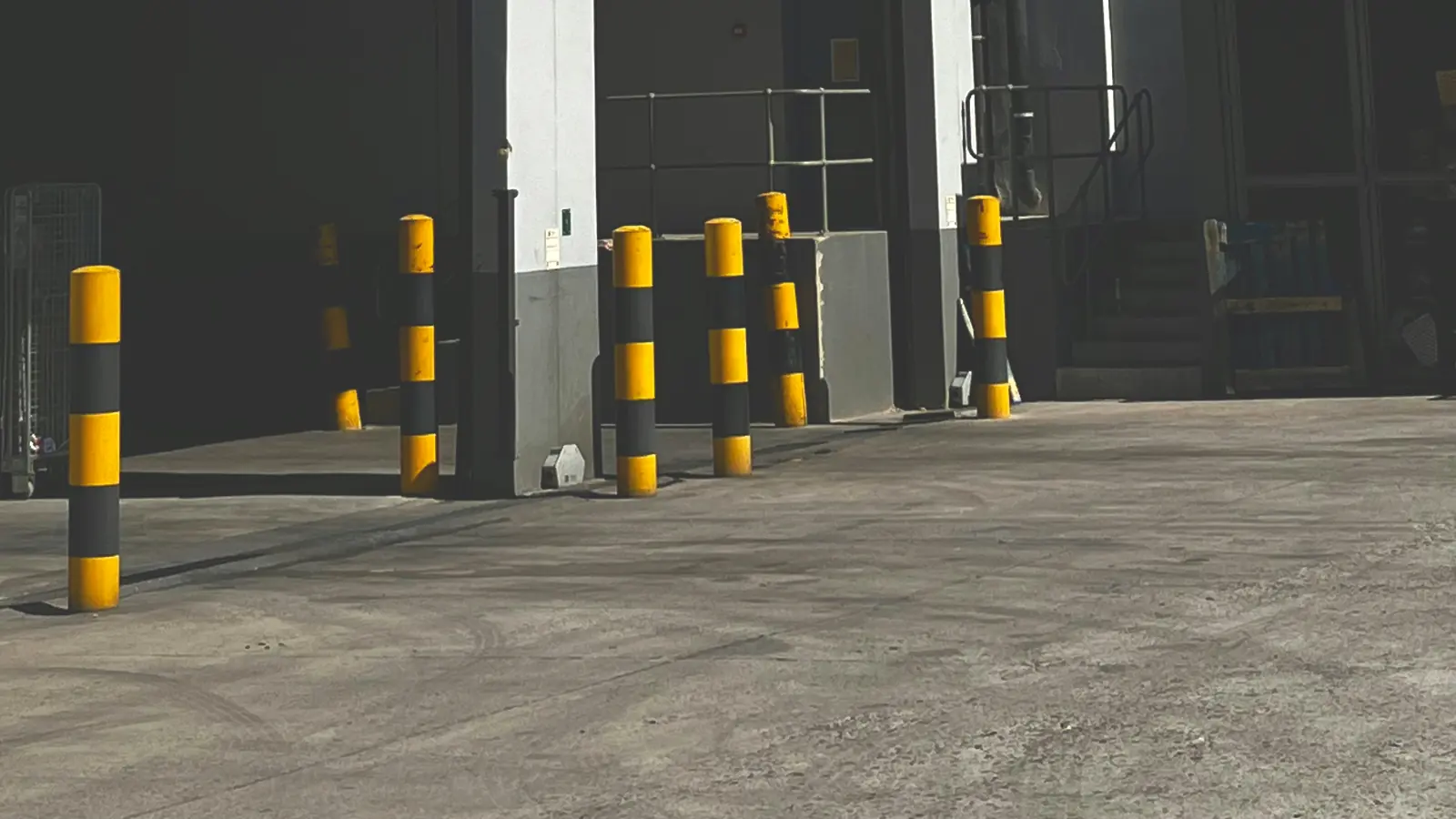
A failed delivery appointment costs more than the load itself: detention billed by the hour, an appointment chargeback deducted from a later invoice, and, if it happens more than once, a carrier or broker relationship the distributor starts routing around. The part most brands do not expect is the timing. The chargeback often surfaces weeks after delivery, after the carrier has already been paid.
What Actually Counts as a Failed Delivery Appointment?
Any delivery that misses its scheduled window. That includes late, no-show, and, at many facilities, early. Grace periods vary by distributor and by DC, and some receivers give none at all. Freight professionals who deliver into grocery and natural-channel DCs describe three traps that catch first-time shippers:
- The clock starts at check-in, not arrival. A truck that reaches the property on time but waits in a guard-shack line can be logged late at the window. Drivers report being marked late, or refused outright, after arriving early and queuing behind slower trucks.
- Early can be chargeable. Some receivers fine trucks that arrive more than a set number of minutes before the appointment, alongside the late fee. The window is the target, not the date.
- Refusal is a real outcome, not just a fee. A missed window can mean no door at all and a re-appointment days out, with the freight sitting on the trailer in the meantime.
What Does a Missed Appointment Actually Cost?
Three costs stack. Detention accrues once free time expires, typically after the first hour or two, and is billed by the carrier back to whoever holds the transportation contract. The appointment fee is separate: freight brokers describe mass-retail late fees in the range of a hundred dollars, and natural-channel distributor fees several times that. Then there is the load itself if the receiver refuses it, which for temperature-controlled product can mean a total loss.
The fee is not the expensive part. Finding out weeks later, after the carrier is paid and the dispute window is closing, is the expensive part.
How Does a Missed Appointment Turn Into a Distributor Chargeback?
Once a load misses its window at a distributor DC, the distributor does not usually negotiate. The standard remedy is a deduction from a later product invoice, not a separate bill you can contest with the carrier. KeHE's own routing guide, for example, applies a fee if a supplier delays KeHE or its hired carrier by two hours or more beyond a scheduled pickup appointment. Because the deduction lands on a future invoice, it is common for a brand to learn about a late delivery from its remittance, not from the receiver. See what a UNFI or KeHE chargeback actually costs for the fuller breakdown.
Can You Dispute a Detention or Appointment Chargeback?
Sometimes, but only with documentation. The receiver's dock log is the default record, and without your own you are arguing against it. What holds up: a time-stamped gate check-in, GPS or ELD arrival data, a signed BOL noting arrival time, and photos. If the delay originated at the facility, the proof has to show the truck was on the property before the window closed. Most disputes are won or lost on whether that record exists, not on who was actually right.
How Do You Prevent Appointment Failures in the First Place?
Most misses trace to information, not driving:
- Book the appointment when the PO is accepted, not when the freight is on the dock. If the receiver cannot offer a slot inside the MABD window, the delivery is already late no matter when the truck leaves. See how MABD and the appointment relate.
- Write appointment times in 24-hour format with the receiver's time zone stated. Drivers describe 3:00 read as 3 PM, and a broker's time zone applied to a receiver two zones away, as the ordinary causes of a late truck.
- Confirm receiving hours and the early-arrival rule for that specific DC. They are not standard across a distributor's network.
- Build in buffer for reefer or refrigerated LTL loads, where a pre-cool or temperature check can add time at the dock.
- Use a broker or carrier who tracks the appointment actively rather than treating it as a formality. See what a CPG freight broker should be managing on your behalf.
Where Does Fr8topia Fit?
Fr8topia is a freight broker for the natural and organic channel first, and the broader CPG retail channel beyond that. We do not own trucks. We source and manage a vetted carrier network and track pickup and delivery appointments actively, so a missed window does not surface as a deduction you find out about a month later. Get in touch to request a quote and tell us where appointment failures have been costing you.