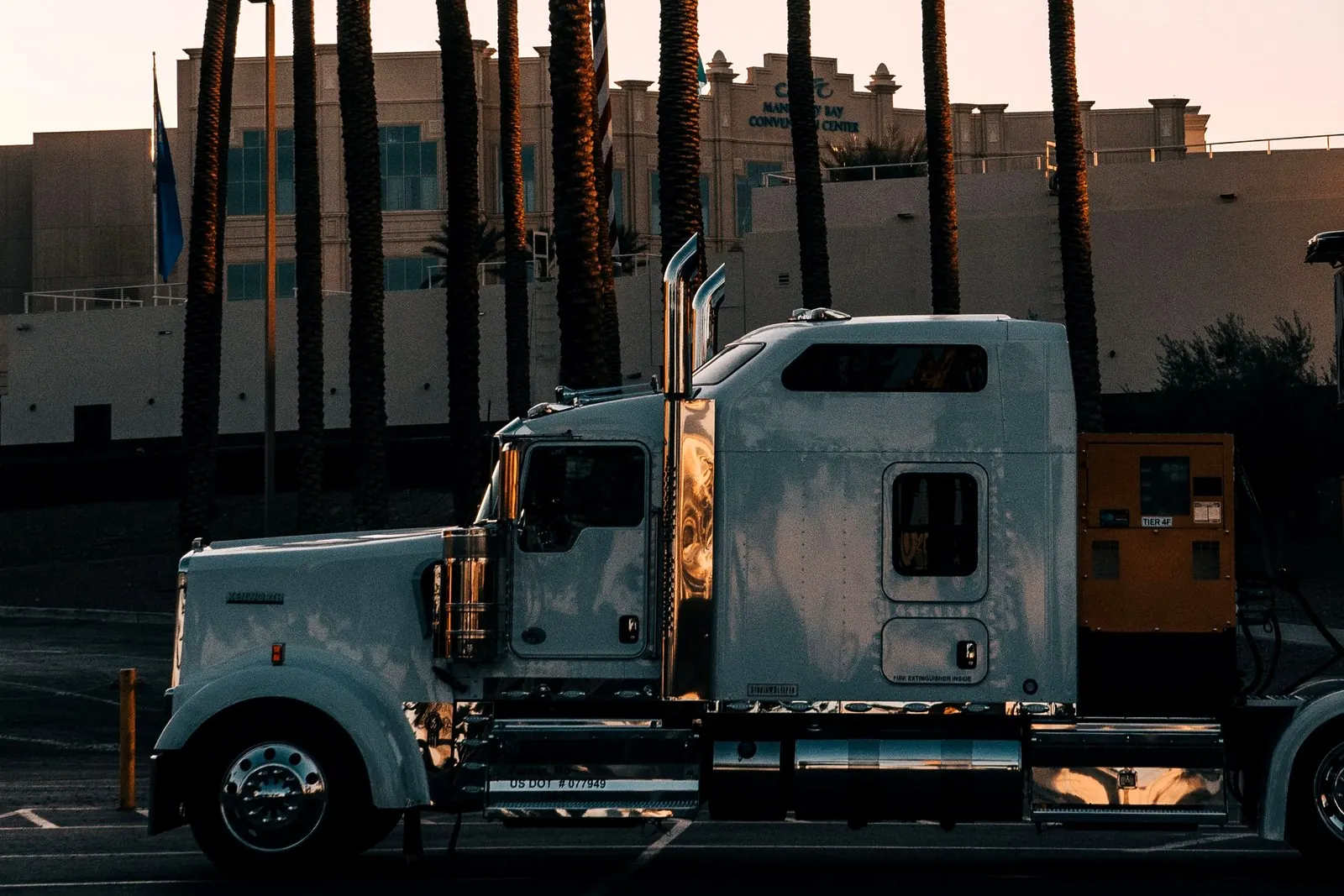
Reefer LTL and cold storage for natural and organic brands across Southern California
Fr8topia is a licensed freight broker, not a carrier. We arrange refrigerated LTL, partial truckload, and food-grade cold storage across the Southern California cold chain corridor, from the Ports of LA and Long Beach to UNFI, KeHE, and natural grocery DCs, with the temperature held and the appointment kept.
CarrierSource Top Brokerage 2026 · NMSDC minority-certified · Licensed & bonded FMCSA broker
What is reefer LTL?
Reefer LTL, short for refrigerated less than truckload, is temperature-controlled freight that shares a trailer with other compatible shipments, so you pay for the pallet positions you use instead of the whole truck. The trailer holds a set temperature from pickup to delivery: frozen, refrigerated, or controlled ambient. For natural and organic brands moving one to five pallets of chilled or frozen product, it is the most common way freight reaches UNFI, KeHE, and retail distribution centers without paying for a full trailer.
Capacity is the catch. Far fewer carriers run reefer LTL than dry LTL, and most operate set weekly schedules on set lanes rather than picking up on demand. Industry capacity has stayed tight through 2026, with refrigerated rate floors holding above prior-cycle lows.
As a broker, Fr8topia is not limited to one carrier's map. We source across a vetted network of refrigerated carriers and match each shipment to the schedule, lane, and temperature spec it actually needs. For a deeper walkthrough of how the mode works, read our guide to reefer LTL for natural and organic brands.
How much does reefer LTL cost?
Reefer LTL prices by pallet position, weight, lane, and schedule. Here is what the market looks like.
| Benchmark | Industry range | What drives it |
|---|---|---|
| Reefer LTL premium over dry LTL | 20% to 40% | Refrigerated equipment costs more to buy, run, and maintain, and the carrier network is a fraction of the size of dry LTL. |
| Single pallet, reefer LTL | $300 to $500 on shorter lanes | Long-haul and cross-country moves run several times higher. Distance is the single biggest variable. |
| Full reefer truckload | $2,500 to $4,000 | The comparison that matters once your pallet count climbs. This is the number reefer LTL saves you from paying. |
| Crossover to partial or truckload | Around 6 to 10 pallets | Above this range, partial refrigerated truckload usually wins on both price and risk, because your freight rides alone and transloads disappear. |
| Seasonal swing | Peak produce season | West Coast reefer capacity tightens every year as produce moves, and rates follow. Booking cadence matters more than rate shopping. |
Ranges reflect published 2026 industry benchmarks from freight rate indexes and carrier cost guides, reviewed August 2026. They are not Fr8topia quotes: every lane is quoted firm before you book. Tell us your lane and pallet count and we will price it.
The honest guidance: the per-pallet number matters less than the structure around it. The expensive mistakes in reefer LTL are not rate mistakes, they are fit mistakes. Paying LTL rates on a shipment big enough for a partial truckload. Shipping on a schedule that misses your delivery appointment and triggers a chargeback. Booking the cheap option that transloads frozen product across three docks in August. A quote is only comparable to another quote if the transit time, transfer count, and temperature guarantee match.
Reefer LTL, partial truckload, or consolidation?
The right mode is mostly pallet count and shipping cadence.
| Your freight | Best fit | Why |
|---|---|---|
| 1 to 5 pallets, flexible window | Reefer LTL | Pay per position on a scheduled shared trailer. Lowest cost per shipment when scheduled service runs your lane. |
| 6 to 18 pallets, or a tight DC window | Partial refrigerated truckload | Fewer transfers, faster transit, and you still share the cost of the trailer rather than buying all of it. |
| Recurring replenishment into UNFI or KeHE | Cold-chain consolidation | Truckload reliability and appointment control at a per-pallet price, with fewer handling events than a multi-stop LTL run. |
Not sure which one fits? Read how small natural brands ship cold product without a full truckload, or see our retail consolidation programs.
When do you need cold storage too?
Transport moves product. A refrigerated warehouse holds it. Growing brands usually reach the point where they need both.
You need the storage side when production runs outgrow your co-packer's dock, when a distributor program requires staging inventory close to their DCs, or when consolidating orders into fewer, fuller shipments starts saving real freight money.
Fr8topia arranges food-grade, multi-temperature cold storage through our Southern California network, from -10°F frozen through 34 to 38°F refrigerated to 65°F ambient, with HACCP-compliant handling and a temperature-controlled dock, integrated directly with the reefer capacity on this page. Product comes in from your co-packer or the port, holds at spec, and ships out as reefer LTL or partial truckload timed to your delivery appointments.
Brands searching for a refrigerated warehouse in Southern California, reefer warehousing in SoCal, or a cold storage warehouse near Los Angeles are usually shopping for exactly this combination: storage wired into temperature-controlled delivery, not a building by itself. That pairing, sometimes called cold storage 3PL, is what keeps the cold chain unbroken between the rack and the truck.
Store here. Ship consolidated.
Inventory in our network feeds directly into coordinated truckloads bound for UNFI, KeHE, and retail DCs across the Western US, with one delivery appointment and one accountable point of contact.
See food-grade warehousing →Full truckload when you outgrow LTL.
When pallet counts climb past the LTL crossover, the same vetted refrigerated network covers partial and full truckload moves in and out of storage.
See refrigerated freight →Why Southern California cold chain is its own market
Southern California runs the densest cold chain corridor in the country. Refrigerated import containers land at the Ports of Los Angeles and Long Beach and feed cold storage clusters in Vernon, Carson, and the City of Industry, then fan out to distributor and retail DCs across the LA Basin and Inland Empire. UNFI and KeHE both receive West Coast volume through California DCs, and the natural retailers we deliver to, Sprouts, Gelson's, Erewhon, Lassens, and Mother's Market, all replenish from this region.
Appointment systems, dock congestion, harvest-season capacity swings, and port drayage timing are local knowledge. Fr8topia is headquartered in Valencia at the top of this corridor, with consolidation operations in the City of Industry, and Southern California cold chain is the market we were built in.
Who this is built for
The natural and organic brands that get the most out of a combined cold chain:
Brands shipping one to five chilled pallets
Volume that falls between a parcel and a truckload, headed into UNFI or KeHE on a recurring cadence.
Co-packer dock is full
Finished goods are piling up and you need storage plus outbound freight from one accountable partner.
Import programs at LA and Long Beach
Refrigerated containers that need fast devanning into temperature-controlled storage before distribution.
Burned by a warm or late delivery
A rejected cold load, a missed window, and the deduction that followed. Schedule control is the fix.
Seasonal and promotional builds
Cold capacity for a promo window or retailer reset, without signing a long-term lease.
First refrigerated purchase order
Emerging brands getting cold product out the door correctly the first time, before deductions start.
Reefer LTL and cold storage FAQs
What is reefer LTL?
How much does reefer LTL cost in Southern California?
Is there a minimum shipment size for reefer LTL?
Do you offer refrigerated warehousing in Southern California?
Which areas does your reefer LTL service cover?
Is Fr8topia a carrier or a broker?
How do I protect the cold chain on a shared trailer?
Ship cold. Land clean.
Tell us your lane, pallet count, and temperature spec. We will map reefer LTL against partial and consolidation, quote the option that actually fits, and handle the appointment.
Get a reefer LTL quote