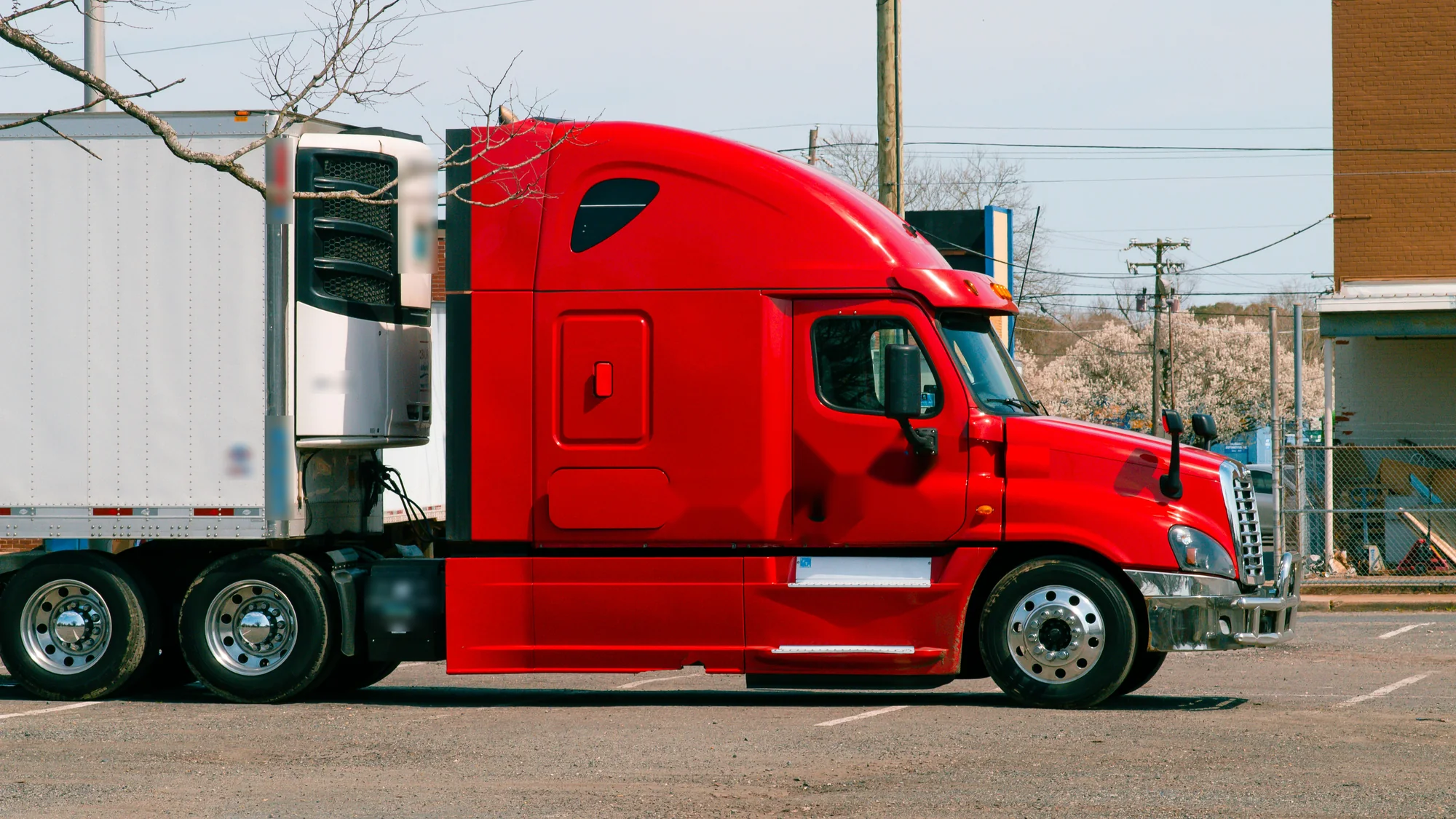
Refrigerated trailer with its cooling unit, hitched to a tractor parked in an empty lot
Rejected load playbook

When a refrigerated load is rejected at the dock: a playbook for CPG brands

Licensed and bonded FMCSA broker  ·  NMSDC minority-certified  ·  CarrierSource Top Brokerage 2026

When a receiver rejects a refrigerated load, the first hour decides whether you recover the product, the claim, or neither. Get the reason and temperature readings written on the bill of lading, photograph the unit display, hold off on disposal, and notify your insurer. The temperature you specified in writing is the standard the dispute turns on.

The truck arrived inside the window. The receiver probed a case, looked at the display on the reefer unit, wrote "arrived warm" on the bill of lading, and refused the load. The driver called dispatch, dispatch called the broker, and you heard about it forty minutes later, with the trailer already pulling off the property. Then the hard question: what temperature was the carrier told to run? If the answer is "frozen," or "the usual," or nobody can find it in writing, the dispute that follows is about whose story is better. This playbook is about making sure it is yours, and about the first hour after a refusal, when most of the outcome is decided.

Minutes 0 to 15: freeze the record before the truck leaves

Do not argue at the dock. Get the receiver's stated reason and the temperature readings they took written on the bill of lading, and get a copy. Ask the driver to photograph the reefer display showing both the setpoint and the actual reading, the trailer number, the seal, and the product. Every one of those details is harder to reconstruct an hour from now.

Minutes 15 to 30: keep the product under control

Find out where the load is going next and confirm the unit is still running at the specified temperature. Decide whether to redeliver, reroute to cold storage, or hold, and notify your insurer the same day, even if you are not sure you will claim. Late notice is one of the easiest ways to lose coverage you would otherwise have had.

Minutes 30 to 60: get the data and protect the relationship

Ask the carrier for the reefer unit download covering the trip, and pull your own shipping-side record: the temperature you specified in writing, the product temperature at loading, and confirmation the trailer was pre-cooled. Do not authorize the product to be destroyed until your insurer or QA contact has weighed in. Then call the receiver's scheduling desk about the replacement delivery before the next window is lost, not after.

The Fr8topia rejected-load checklist

  1. Put the operating temperature in writing on the tender and the bill of lading before every temperature-controlled load, including any pre-cool requirement. "Frozen" is not a temperature.
  2. Record product temperature at loading, not just air temperature. A reefer holds temperature; it is not built to pull warm product down.
  3. Confirm the trailer was pre-cooled to the setpoint before loading, and note it.
  4. If your product spec calls for it, specify continuous run rather than start-stop operation.
  5. At a rejection, get the reason and the receiver's readings written on the bill of lading, and keep a copy.
  6. Photograph the unit display showing setpoint and actual temperature, the trailer number, the seal, and the product.
  7. Notify your insurer the same day and request the reefer download from the carrier.
  8. Do not sell, donate, or destroy product that may have been temperature-abused until a qualified person has assessed it.
  9. File any claim in writing, keep the full record, and diary the dates: the carrier must answer within 120 days, and you have at least nine months to file.
AAAWgmp1bWIAAAAeanVtZGMycGEAEQAQgAAAqgA4m3EDYzJwYQAAABZcanVtYgAAAEdqdW1kYzJtYQARABCAAACqADibcQN1cm46YzJwYTpmMGQ0MDQwYS1kNTUwLTQ0MTAtOGY2OC1hNzViNDE3NTJmMzgAAAADl2p1bWIAAAApanVtZGMyYXMAEQAQgAAAqgA4m3EDYzJwYS5hc3NlcnRpb25zAAAAALxqdW1iAAAARGp1bWRjYm9yABEAEIAAAKoAOJtxE2MycGEuaW5ncmVkaWVudC52MwAAAAAYYzJzaD3KbvJyw0Qobo+pBwxu1aYAAABwY2JvcqNpZGM6Zm9ybWF0bWltYWdlL3N2Zyt4bWxqaW5zdGFuY2VJRHgseG1wOmlpZDo3NTEyZTMxZi1hOTEyLTQ5NzktYmNhMC1mYmVhYjRlZWJiMWRscmVsYXRpb25zaGlwaHBhcmVudE9mAAAB4mp1bWIAAABBanVtZGNib3IAEQAQgAAAqgA4m3ETYzJwYS5hY3Rpb25zLnYyAAAAABhjMnNoeHo++LqKM6kOI5LhW7JBtwAAAZljYm9yomdhY3Rpb25zgqJmYWN0aW9ua2MycGEub3BlbmVkanBhcmFtZXRlcnOha2luZ3JlZGllbnRzgaJjdXJseC1zZWxmI2p1bWJmPWMycGEuYXNzZXJ0aW9ucy9jMnBhLmluZ3JlZGllbnQudjNkaGFzaFgge/ztaBSxn4/V779oIgvpn8/zscRCUYZK/FU//DK+aYekZmFjdGlvbngdY29tLmFudGhyb3BpYy5jbGF1ZGUucHJvdmlkZWRqcGFyYW1ldGVyc6F4H2NvbS5hbnRocm9waWMub3JpZ2luLWNvbmZpZGVuY2VndW5rbm93bmtkZXNjcmlwdGlvbnhmQ2xhdWRlIHByb3ZpZGVkIHRoaXMgZmlsZSBhdCB0aGUgcmVxdWVzdCBvZiBhIHVzZXIgYW5kIG1heSBoYXZlIGNyZWF0ZWQgb3IgbW9kaWZpZWQgdGhlIGZpbGUgY29udGVudHMubXNvZnR3YXJlQWdlbnShZG5hbWVmQ2xhdWRlcmFsbEFjdGlvbnNJbmNsdWRlZPUAAADIanVtYgAAAEBqdW1kY2JvcgARABCAAACqADibcRNjMnBhLmhhc2guZGF0YQAAAAAYYzJzaJeu5n98vAOVDBA/iYSflBMAAACAY2JvcqVjYWxnZnNoYTI1NmNwYWRNAAAAAAAAAAAAAAAAAGRoYXNoWCCnbFhWDu5jcLgxZ5KBEkP71TQdm5b/P3ICnA5xgghGQmRuYW1lbmp1bWJmIG1hbmlmZXN0amV4Y2x1c2lvbnOBomVzdGFydBisZmxlbmd0aBkeBAAAAj5qdW1iAAAAJ2p1bWRjMmNsABEAEIAAAKoAOJtxA2MycGEuY2xhaW0udjIAAAACD2Nib3KlY2FsZ2ZzaGEyNTZpc2lnbmF0dXJleE1zZWxmI2p1bWJmPS9jMnBhL3VybjpjMnBhOmYwZDQwNDBhLWQ1NTAtNDQxMC04ZjY4LWE3NWI0MTc1MmYzOC9jMnBhLnNpZ25hdHVyZWppbnN0YW5jZUlEeCx4bXA6aWlkOjU3NmQ1Zjg4LTQyNzMtNGI2Ni1hYjUxLWI4NjA2NGM3M2Q4NXJjcmVhdGVkX2Fzc2VydGlvbnODomN1cmx4LXNlbGYjanVtYmY9YzJwYS5hc3NlcnRpb25zL2MycGEuaW5ncmVkaWVudC52M2RoYXNoWCB7/O1oFLGfj9Xvv2giC+mfz/OxxEJRhkr8VT/8Mr5ph6JjdXJseCpzZWxmI2p1bWJmPWMycGEuYXNzZXJ0aW9ucy9jMnBhLmFjdGlvbnMudjJkaGFzaFggVYXwAWkHWr8XylNlv9cekXm091rB4pKtyqqaonGaYK6iY3VybHgpc2VsZiNqdW1iZj1jMnBhLmFzc2VydGlvbnMvYzJwYS5oYXNoLmRhdGFkaGFzaFggIyVBGFKvEYaGyVkwu7Sx7sc+8F98b5Chrhq2flQGT+N0Y2xhaW1fZ2VuZXJhdG9yX2luZm+jZG5hbWVvQW50aHJvcGljIEZpbGVzZ3ZlcnNpb25lMS4wLjBrc3BlY1ZlcnNpb25lMi40LjAAABA4anVtYgAAAChqdW1kYzJjcwARABCAAACqADibcQNjMnBhLnNpZ25hdHVyZQAAABAIY2JvctKEWQISogEmGCFZAgowggIGMIIBjaADAgECAhRA5aAK7sI50L64g/oGQgU9Z1UTADAKBggqhkjOPQQDAzBJMRcwFQYDVQQKEw5BbnRocm9waWMsIFBCQzEuMCwGA1UEAxMlQW50aHJvcGljIENvbnRlbnQgQ3JlZGVudGlhbHMgUm9vdCBDQTAeFw0yNjA4MDcxODQzNTZaFw0yODA4MDYxOTQzNTZaMEQxFzAVBgNVBAoTDkFudGhyb3BpYywgUEJDMSkwJwYDVQQDEyBBbnRocm9waWMgQ2xhdWRlIENvbnRlbnQgU2lnbmluZzBZMBMGByqGSM49AgEGCCqGSM49AwEHA0IABJh6CmvLUBgFFNU0vUKlOVtE6djd17L5SuwX0LemFisBM3dkd/3cyjxFA3Qo5S46fX0/ihY0VZ7mfb9KF703t5OjWDBWMA4GA1UdDwEB/wQEAwIHgDAVBgNVHSUEDjAMBgorBgEEAYPoXgIBMAwGA1UdEwEB/wQCMAAwHwYDVR0jBBgwFoAUzlHiBIFOZFsj+OPEz5o+nMHXXMIwCgYIKoZIzj0EAwMDZwAwZAIwMXMdFJ4BetLLVY7ORuE9noqbbAZOZn/aArXyTwFAZfKrPzxF2vPoJNf1+UCdg1XGAjBwX1zd9WGqYkqmL5SFqw1QySjr1zJfpJM9+1rdDwSPLMOPOjKuiXjoU/pUUeG9RwmhY3BhZFkNngAAAAAAAAAAAAAAAAAAAAAAAAAAAAAAAAAAAAAAAAAAAAAAAAAAAAAAAAAAAAAAAAAAAAAAAAAAAAAAAAAAAAAAAAAAAAAAAAAAAAAAAAAAAAAAAAAAAAAAAAAAAAAAAAAAAAAAAAAAAAAAAAAAAAAAAAAAAAAAAAAAAAAAAAAAAAAAAAAAAAAAAAAAAAAAAAAAAAAAAAAAAAAAAAAAAAAAAAAAAAAAAAAAAAAAAAAAAAAAAAAAAAAAAAAAAAAAAAAAAAAAAAAAAAAAAAAAAAAAAAAAAAAAAAAAAAAAAAAAAAAAAAAAAAAAAAAAAAAAAAAAAAAAAAAAAAAAAAAAAAAAAAAAAAAAAAAAAAAAAAAAAAAAAAAAAAAAAAAAAAAAAAAAAAAAAAAAAAAAAAAAAAAAAAAAAAAAAAAAAAAAAAAAAAAAAAAAAAAAAAAAAAAAAAAAAAAAAAAAAAAAAAAAAAAAAAAAAAAAAAAAAAAAAAAAAAAAAAAAAAAAAAAAAAAAAAAAAAAAAAAAAAAAAAAAAAAAAAAAAAAAAAAAAAAAAAAAAAAAAAAAAAAAAAAAAAAAAAAAAAAAAAAAAAAAAAAAAAAAAAAAAAAAAAAAAAAAAAAAAAAAAAAAAAAAAAAAAAAAAAAAAAAAAAAAAAAAAAAAAAAAAAAAAAAAAAAAAAAAAAAAAAAAAAAAAAAAAAAAAAAAAAAAAAAAAAAAAAAAAAAAAAAAAAAAAAAAAAAAAAAAAAAAAAAAAAAAAAAAAAAAAAAAAAAAAAAAAAAAAAAAAAAAAAAAAAAAAAAAAAAAAAAAAAAAAAAAAAAAAAAAAAAAAAAAAAAAAAAAAAAAAAAAAAAAAAAAAAAAAAAAAAAAAAAAAAAAAAAAAAAAAAAAAAAAAAAAAAAAAAAAAAAAAAAAAAAAAAAAAAAAAAAAAAAAAAAAAAAAAAAAAAAAAAAAAAAAAAAAAAAAAAAAAAAAAAAAAAAAAAAAAAAAAAAAAAAAAAAAAAAAAAAAAAAAAAAAAAAAAAAAAAAAAAAAAAAAAAAAAAAAAAAAAAAAAAAAAAAAAAAAAAAAAAAAAAAAAAAAAAAAAAAAAAAAAAAAAAAAAAAAAAAAAAAAAAAAAAAAAAAAAAAAAAAAAAAAAAAAAAAAAAAAAAAAAAAAAAAAAAAAAAAAAAAAAAAAAAAAAAAAAAAAAAAAAAAAAAAAAAAAAAAAAAAAAAAAAAAAAAAAAAAAAAAAAAAAAAAAAAAAAAAAAAAAAAAAAAAAAAAAAAAAAAAAAAAAAAAAAAAAAAAAAAAAAAAAAAAAAAAAAAAAAAAAAAAAAAAAAAAAAAAAAAAAAAAAAAAAAAAAAAAAAAAAAAAAAAAAAAAAAAAAAAAAAAAAAAAAAAAAAAAAAAAAAAAAAAAAAAAAAAAAAAAAAAAAAAAAAAAAAAAAAAAAAAAAAAAAAAAAAAAAAAAAAAAAAAAAAAAAAAAAAAAAAAAAAAAAAAAAAAAAAAAAAAAAAAAAAAAAAAAAAAAAAAAAAAAAAAAAAAAAAAAAAAAAAAAAAAAAAAAAAAAAAAAAAAAAAAAAAAAAAAAAAAAAAAAAAAAAAAAAAAAAAAAAAAAAAAAAAAAAAAAAAAAAAAAAAAAAAAAAAAAAAAAAAAAAAAAAAAAAAAAAAAAAAAAAAAAAAAAAAAAAAAAAAAAAAAAAAAAAAAAAAAAAAAAAAAAAAAAAAAAAAAAAAAAAAAAAAAAAAAAAAAAAAAAAAAAAAAAAAAAAAAAAAAAAAAAAAAAAAAAAAAAAAAAAAAAAAAAAAAAAAAAAAAAAAAAAAAAAAAAAAAAAAAAAAAAAAAAAAAAAAAAAAAAAAAAAAAAAAAAAAAAAAAAAAAAAAAAAAAAAAAAAAAAAAAAAAAAAAAAAAAAAAAAAAAAAAAAAAAAAAAAAAAAAAAAAAAAAAAAAAAAAAAAAAAAAAAAAAAAAAAAAAAAAAAAAAAAAAAAAAAAAAAAAAAAAAAAAAAAAAAAAAAAAAAAAAAAAAAAAAAAAAAAAAAAAAAAAAAAAAAAAAAAAAAAAAAAAAAAAAAAAAAAAAAAAAAAAAAAAAAAAAAAAAAAAAAAAAAAAAAAAAAAAAAAAAAAAAAAAAAAAAAAAAAAAAAAAAAAAAAAAAAAAAAAAAAAAAAAAAAAAAAAAAAAAAAAAAAAAAAAAAAAAAAAAAAAAAAAAAAAAAAAAAAAAAAAAAAAAAAAAAAAAAAAAAAAAAAAAAAAAAAAAAAAAAAAAAAAAAAAAAAAAAAAAAAAAAAAAAAAAAAAAAAAAAAAAAAAAAAAAAAAAAAAAAAAAAAAAAAAAAAAAAAAAAAAAAAAAAAAAAAAAAAAAAAAAAAAAAAAAAAAAAAAAAAAAAAAAAAAAAAAAAAAAAAAAAAAAAAAAAAAAAAAAAAAAAAAAAAAAAAAAAAAAAAAAAAAAAAAAAAAAAAAAAAAAAAAAAAAAAAAAAAAAAAAAAAAAAAAAAAAAAAAAAAAAAAAAAAAAAAAAAAAAAAAAAAAAAAAAAAAAAAAAAAAAAAAAAAAAAAAAAAAAAAAAAAAAAAAAAAAAAAAAAAAAAAAAAAAAAAAAAAAAAAAAAAAAAAAAAAAAAAAAAAAAAAAAAAAAAAAAAAAAAAAAAAAAAAAAAAAAAAAAAAAAAAAAAAAAAAAAAAAAAAAAAAAAAAAAAAAAAAAAAAAAAAAAAAAAAAAAAAAAAAAAAAAAAAAAAAAAAAAAAAAAAAAAAAAAAAAAAAAAAAAAAAAAAAAAAAAAAAAAAAAAAAAAAAAAAAAAAAAAAAAAAAAAAAAAAAAAAAAAAAAAAAAAAAAAAAAAAAAAAAAAAAAAAAAAAAAAAAAAAAAAAAAAAAAAAAAAAAAAAAAAAAAAAAAAAAAAAAAAAAAAAAAAAAAAAAAAAAAAAAAAAAAAAAAAAAAAAAAAAAAAAAAAAAAAAAAAAAAAAAAAAAAAAAAAAAAAAAAAAAAAAAAAAAAAAAAAAAAAAAAAAAAAAAAAAAAAAAAAAAAAAAAAAAAAAAAAAAAAAAAAAAAAAAAAAAAAAAAAAAAAAAAAAAAAAAAAAAAAAAAAAAAAAAAAAAAAAAAAAAAAAAAAAAAAAAAAAAAAAAAAAAAAAAAAAAAAAAAAAAAAAAAAAAAAAAAAAAAAAAAAAAAAAAAAAAAAAAAAAAAAAAAAAAAAAAAAAAAAAAAAAAAAAAAAAAAAAAAAAAAAAAAAAAAAAAAAAAAAAAAAAAAAAAAAAAAAAAAAAAAAAAAAAAAAAAAAAAAAAAAAAAAAAAAAAAAAAAAAAAAAAAAAAAAAAAAAAAAAAAAAAAAAAAAAAAAAAAAAAAAAAAAAAAAAAAAAAAAAAAAAAAAAAAAAAAAAAAAAAAAAAAAAAAAAAAAAAAAAAAAAAAAAAAAAAAAAAAAAAAAAAAAAAAAAAAAAAAAAAAAAAAAAAAAAAAAAAAAAAAAAAAAAAAAAAAAAAAAAAAAAAAAAAAAAAAAAAAAAAAAAAAAAAAAAAAAAAAAAAAAAAAAAAAAAAAAAAAAAAAAAAAAAAAAAAAAAAAAAAAAAAAAAAAAAAAAAAAAAAAAAAAAAAAAAAAAAAAAAAAAAAAAAAAAAAAAAAAAAAAAAAAAAAAAAAAAAAAAAAAAAAAAAAAAAAAAAAAAAAAAAAAAAAAAAAAAAAAAAAAAAAAAAAAAAAAAAAAAAAAAAAAAAAAAAAAAAAAAAAAAAAAAAAAAAAAAAAAAAAAAAAAAAAAAAAAAAAAAAAAAAAAAAAAAAAAAAAAAAAAAAAAAAAAAAAAAAAAAAAAAAAAAAAAAAAAAAAAAAAAAAAAAAAAAAAAAAAAAAAAAAAAAAAAAAAAAAAAAAAAAAAAAAAAAAAAAAAAAAAAAAAAAAAAAAAAAAAAAAAAAAAAAAAAAAAAAAAAAAAAAAAAAAAAAAAAAAAAAAAAAAAAAAAAAAAAAAAAAAAAAAAAAAAAAAAAAAAAAAAAAAAAAAAAAAAAAAAAAAAAAAAAAAAAAAAAAAAAAAAAAAAAAAAAAAAAAAAAAAAAAAAAAAAAAAAAAAAAAAAAAAAAAAAAAAAAAAAAAAAAAAAAAAAAAAAAAAAAAAAAAAAAAAAAAAAAAAAAAAAAAAAAAAAAAAAAAAAAAAAAAAAAAAAAAAAAAAAAAAAAAAAAAAAAAAAAAAAAAAAAAAAAAAAAAAAAAAAAAAAAAAAAAAAAAAAAAAAAAAAAAAAAAAAAAAAAAAAAAAAAAAAAAAAAAAAAAAAAAAAAAAAAAAAAAAAAAAAAAAAAAAAAAAAAAAAAAAAAAAAAAAAAAAAAAAAAAAAAAAAAAAAAAAAAAAAAAAAAAAAAAAAAAAAAAAAAAAAAAAAAAAAAAAAAAAAAAAAAAAAAAAAAAAAAAAAAAAAAAAAAAAAAAAAAAAAAAAAAAAAAAAAAAAAAAAAAAAAAAAAAAAAAAAAAAAAAAAAAAAAAAAAAAAAAAAAAAAAAAAAAAAAAAAAAAAAAAAAAAAAAAAAAAAAAAAAAAAAAAAAAAAAAAAAAAAAAAAAAAAAAAAAAAAAAAAAAAAAAAAAAAAAAAAAAAAAAAAAAAAAAAAAAAAAAAAAAAAAAAAAAAAAAAAAAAAAAAAAAAAAAAAAAAAAAAAAAAAAAAAAAAAAAAAAAAAAAAAAAAAAAAAAPZYQNpJtFsLSoZsKRCly/F6OFCoY1jJPXLOObXhc8aXfGyPHOcFrdvjdawxNi/FPyQ5PKdRkDYGbvp2stn6Doz8YJA=A refrigerated trip and the dock checkA reefer trailer travels to a receiving dock. The air temperature trace shows two brief defrost bumps while the product temperature stays flat at the setpoint. At the dock, four checks appear in order, product probe, trailer air, unit setting, sensory check, followed by a stamp reading setpoint 34 degrees, in writing.What the reefer log showsRECEIVING DCDoor 14Appointment 09:00REEFERTemperature during the trip34°F setpointpickupdeliverydefrostdefrostAir temperature (return)Product temperatureThe dock checkProduct probeTrailer air temperatureUnit settingSensory checkSETPOINT 34°F · IN WRITINGThe bumps are defrost cycles. The product line is what the receiver probes. A refrigerated trip and the dock check A reefer trailer travels to a receiving dock. The air temperature trace shows two brief defrost bumps while the product temperature stays flat at the setpoint. At the dock, four checks appear in order, product probe, trailer air, unit setting, sensory check, followed by a stamp reading setpoint 34 degrees, in writing. What the reefer log shows RECEIVING DC Door 14 Appt 09:00 REEFER Temperature during the trip 34°F setpoint pickup delivery defrost defrost Air temperature (return) Product temperature The dock check Product probe Trailer air temperature Unit setting Sensory check SETPOINT 34°F · IN WRITING The bumps are defrost cycles. The product line is what the receiver probes.

Why receivers reject refrigerated loads

Most refusals trace to a short list, and knowing which one you are dealing with changes what happens next:

What the receiver is actually checking

For food that needs temperature control for safety, the FDA's Sanitary Transportation Rule tells the receiver what to do on arrival.

The receiver must take steps to assess that the food was not subjected to significant temperature abuse, such as determining the food's temperature, the ambient temperature of the vehicle and its temperature setting, and conducting a sensory inspection.

That is 21 CFR 1.908(d), and it describes the refusal moment step by step: a probe in the product, a look at the air temperature in the trailer, a look at what the unit was set to, and a check for off odors. Knowing the four checks tells you what to photograph and what to ask the receiver to write down.

The document that decides the dispute

The same rule puts the first obligation on the shipper. A shipper of temperature-sensitive food must specify in writing to the carrier an operating temperature for the trip, including any pre-cooling phase. Where the carrier has taken responsibility for temperature under a written agreement, the carrier must, on request, show that it held that temperature, for example with readings at loading and unloading or time and temperature data from the trip.

Put those two pieces together and the practical point is simple. The written temperature is the standard everyone is measured against. If it exists and the carrier's data shows the unit held it, the conversation is about something else. If it does not exist, there is no standard, and the argument becomes whose account sounds more credible.

One nuance for smaller brands: businesses averaging under $500,000 a year in revenue, adjusted for inflation, are not covered by the rule. The distributor receiving your freight almost certainly is, so the dock check happens either way, and writing the temperature down is still the only thing that protects you.

Normal reefer behavior that gets mistaken for abuse

Some temperature readings that look alarming are the equipment working as designed.

After a rejection: three separate problems

The product. Under the same rule, food that may have suffered a material temperature failure should not be sold or distributed unless a qualified individual determines it was not rendered unsafe. That decision belongs to your QA contact or co-packer, and it runs on the record you built in the first hour.

The claim. Federal law sets the floor. A carrier cannot give you less than nine months to file a claim or less than two years to sue after it denies one in writing, and once it receives a written claim it must pay, decline, or make a written settlement offer within 120 days. Concealed damage is different: many carrier tariffs set a much shorter window for reporting damage found after delivery, often days rather than months, so check yours before you need it.

The relationship. A refused load leaves an open purchase order. Call the receiver's scheduling desk about the replacement delivery before the next window is missed, the same discipline as a carrier no-show. If the product has to come off the trailer quickly, the cold storage failure playbook covers where it can go.

This page summarizes federal requirements for general information. It is not legal advice, and your carrier agreement, insurance policy, and the receiver's routing guide govern the specifics.

Where a broker fits

Most of what decides a rejected load happens before the truck leaves: the written temperature, the pre-cool, the product temperature at loading, and a carrier with the right equipment. Refusals at KeHE's Fresh DCs and UNFI's frozen facilities tend to come with the least margin for error, because the product clock is shortest.

If you ship temperature-controlled product into UNFI, KeHE, or natural grocery and want the temperature, the carrier, and the paperwork handled by one team, tell us about your lanes, or call (909) 304-1068. Fr8topia is a licensed freight broker built for the natural and organic channel.

Whether you work with Fr8topia or anyone else, these questions separate a broker who manages cold freight from one who books it:

Recent cargo theft and freight fraud alerts

Curated from trade press and law enforcement advisories. Each entry links to the original source.

Law enforcement advisory
August 31, 2026
California police investigate $70K beer cargo theft after fraudulent pickups

Two shipments left an Anheuser-Busch distribution center in Montclair on Aug 17 and never arrived. Police say a purported subcontractor used fraudulent paperwork, and the same broker arranged both pickups.

FreightWaves
Fraud warning
August 31, 2026
$647K Nike cargo recovered near Chicago after fraudulent Memphis pickup

A driver used fraudulent paperwork to collect a Dallas-bound Nike shipment in Memphis. Cook County investigators traced it to a Des Plaines facility and recovered roughly $647,000 in merchandise alongside a stolen trailer.

FreightWaves
Incident report
August 28, 2026
Arizona police recover $400K in stolen cargo during stops 20 minutes apart

A stolen-load alert led an Arizona detective to a suspect trailer on I-40. Coordinating with Phoenix police, officers intercepted a second stolen load on I-10, recovering about $400,000 in two stops 20 minutes apart.

FreightWaves
Industry report
August 28, 2026
Reported cargo theft rises 5% in Q2 as Southern California remains a hot spot

Overhaul logged 605 reported thefts in Q2, up 5% from Q1. California accounted for 34% of cases, and the area within 200 miles of Torrance drew 37% of all US thefts. Deceptive pickups rose to 28% of Southern California incidents.

FreightWaves
Law enforcement advisory
August 14, 2026
5 suspects arrested in SoCal rail-cargo theft probe after shots fired from moving BNSF train

Five suspects were arrested in a Southern California rail cargo theft investigation after a report of shots fired from a moving BNSF train.

FreightWaves

Frequently asked questions

Why would a receiver reject a refrigerated load?

Most often because the product temperature is out of range when probed at the dock, the unit's setpoint does not match what the product requires, the product shows visible damage or off odors, or the paperwork does not match the load. Some refusals are commercial rather than about the product, which is why a written record matters.

Who is responsible for setting the temperature on a refrigerated load?

Under the FDA's Sanitary Transportation Rule, the shipper of food that needs temperature control for safety must specify an operating temperature to the carrier in writing, including any pre-cooling phase. Where a written agreement makes the carrier responsible, the carrier must pre-cool to that temperature and, on request, show it held it.

What does a receiver check when a refrigerated load arrives?

For food requiring temperature control for safety, the receiver must assess whether it was subjected to significant temperature abuse, for example by measuring the product temperature, checking the trailer's ambient temperature and the unit's setting, and doing a sensory inspection for off odors.

Can a defrost cycle get a refrigerated load rejected?

It should not on its own. Reefer units defrost periodically and air temperature rises briefly while they do, and the federal definition of operating temperature treats defrosting as a foreseeable variation. What matters is the product temperature, which is why product readings at loading and at delivery are the key evidence.

How long do I have to file a freight claim for a rejected load?

Federal law says a carrier cannot give you less than nine months to file a claim or less than two years to sue after a written denial, and the carrier must pay, decline, or make a written offer within 120 days of receiving the claim. Concealed damage often has a much shorter reporting window set by the carrier's tariff.

What should I do with product from a rejected load?

Do not sell, donate, or destroy it until it has been assessed. Under the FDA rule, food that may have suffered a material temperature failure should not be distributed unless a qualified individual determines it was not rendered unsafe. Notify your insurer and keep every record.

Shipper, receiver, and carrier temperature obligations, the definition of operating temperature, the qualified-individual requirement, and the non-covered business threshold: U.S. Food and Drug Administration, Sanitary Transportation of Human and Animal Food, 21 CFR 1.900, 1.904, and 1.908, via the Electronic Code of Federal Regulations, retrieved September 24, 2026. Claim filing and civil action periods: 49 U.S.C. 14706(e), retrieved September 24, 2026. Carrier claim disposition deadline: 49 CFR 370.9, retrieved September 24, 2026. Return air as the controlling sensor on many units: Thermo King, SR-3 Controller Operation Handbook. Rejection causes and field practice drawn from publicly shared accounts by freight carriers and brokers. This page is general information, not legal advice. Fr8topia service claims limited to what is published at fr8topia.com as of the same date.

Last verified:
September 24, 2026

Get a freight quote

We respond within 2 business hours.

Call
(909) 304-1068
Mon to Fri, 8 AM to 5 PM PT
Email
info@fr8topia.com
Replies within 2 business hours
Visit
28494 Westinghouse Pl #303
Valencia, CA 91355