A short-paid invoice means the distributor paid you less than you billed, and deducted the difference rather than disputing it with you first. The amount taken is called a deduction or a chargeback depending on which distributor you are dealing with, and it is almost never an error. It is a fee, applied against something the distributor decided went wrong, and it arrives without a conversation.
What Does Short-Paid Actually Mean?
You invoiced for a shipment. The remittance came back lower. The difference was not withheld pending a discussion; it was taken, with a code attached explaining the category. UNFI calls this a deduction. KeHE calls it a chargeback. Brands who have just experienced it for the first time usually call it being short-paid, which is the most accurate description of the three.
The important thing to understand early: this is normal, it is built into how distributor relationships work, and every brand in the natural channel deals with it. What is not normal is not knowing why it happened or how much of it was avoidable.
Why Didn't Anyone Tell You Before It Happened?
Because the system is not built to. A deduction is applied against a future payment, not raised as an issue at the time of the event. A late delivery in March can surface as a smaller check in May, by which point the carrier has been paid, the paperwork has moved on, and reconstructing what happened is genuinely difficult.
Most brands learn about a compliance failure from their remittance, not from the receiver.
This delay is the single most expensive feature of the system, and it is why prevention matters more than dispute skill.
Which Deductions Are Freight-Related, and Which Are Not?
This is the distinction almost nobody makes, and it decides who can actually help you.
Freight-caused and preventable. These trace to how the shipment physically moved:
- Late delivery, or a missed delivery appointment window
- Arriving without a scheduled appointment
- Pallet configuration or stacking that does not meet the routing guide
- Labels that will not scan, or are placed on the wrong panel
- An ASN sent late, or one that does not match what arrived
- Temperature excursions on refrigerated or frozen product
- Damage in transit
A freight partner can move every one of these. They are execution failures, not commercial disagreements.
Administrative and commercial. These have nothing to do with the truck:
- Item setup and product data errors
- Promotional allowances and unauthorized promotions
- Pricing discrepancies between your invoice and their system
- Slotting, free fill, and new item fees
- Post-audit claims, sometimes arriving many months later
No freight broker can prevent these, and anyone who tells you otherwise is selling something. They belong with your sales, finance, or trade team, or with a deduction-recovery service.
How Do You Find Out Which Kind You're Getting?
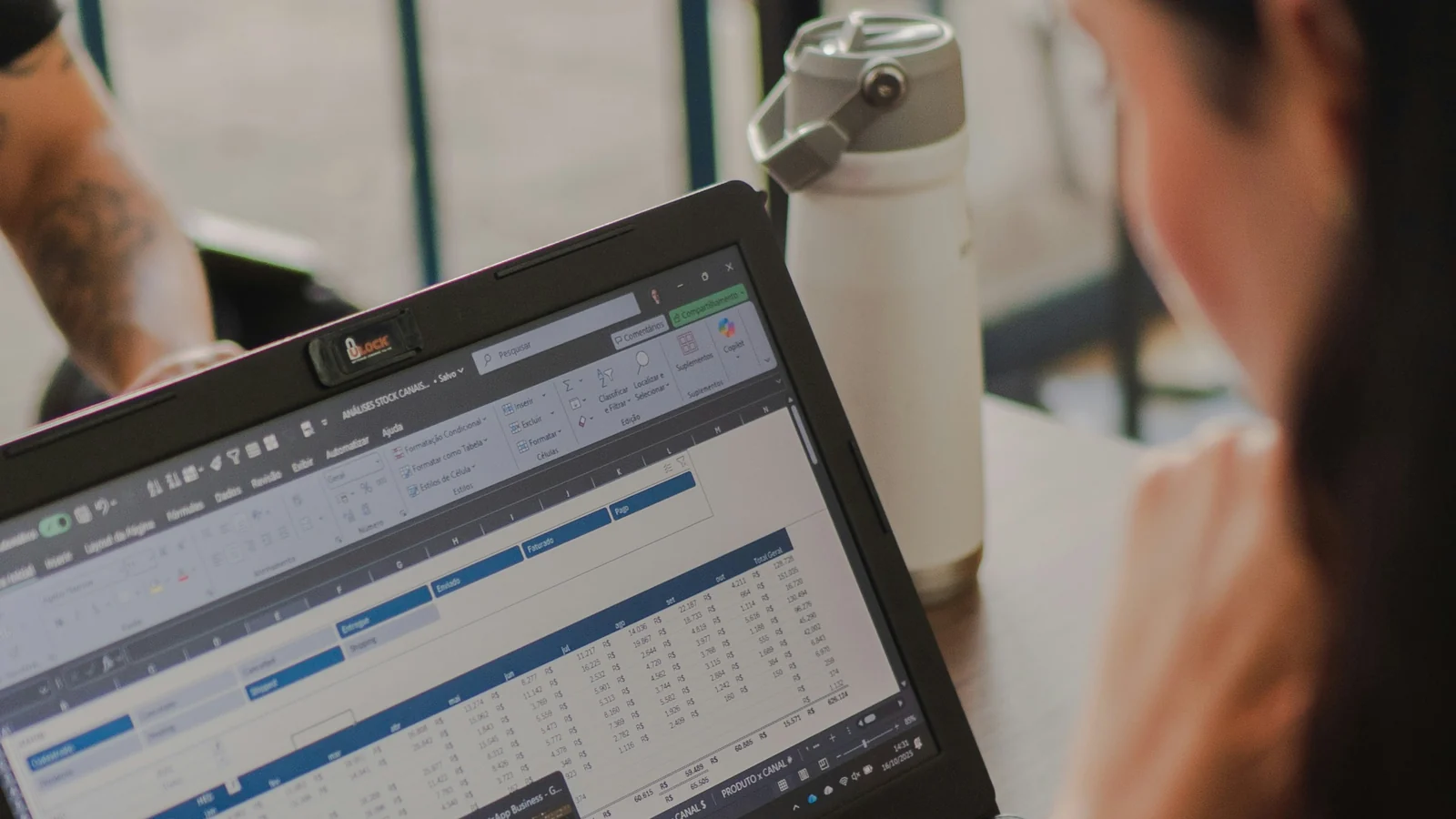
Pull the deduction codes off the remittance and sort them into the two lists above. You do not need software to do this the first time, a spreadsheet works, and the exercise is worth more than the output because it tells you where your money is actually going.
Most brands are surprised by the result in one of two directions. Either the majority is freight-caused, which means the problem is fixable with a better freight process, or the majority is administrative, which means a freight partner is not your bottleneck and you should spend your attention elsewhere.
Be aware that deduction codes are often vague. Categories like "misc" or "compliance" show up with little supporting detail, and when brands push back on those, a meaningful share get reversed. Most brands never push.
What Happens If You Just Absorb Them?
The deduction is rarely the end of it. Unaddressed, the amounts accumulate into a balance, and the distributor recovers that balance out of subsequent payments. A brand can reach a point where new purchase orders are shipping, product is moving, and the money coming back is paying down the balance rather than paying the brand.
For a small brand with limited working capital, that is the failure mode: not one large deduction, but a slow accumulation that quietly converts profitable orders into debt service.
Can You Dispute Them?
Yes, and the window is finite. Ninety days from the deduction date is the common window, and it closes whether or not you noticed. Two things decide whether a dispute is worth your time.
The first is documentation. A dispute is won on what you can produce, not on who was actually right. For freight-caused deductions that means a signed bill of lading noting arrival time, an appointment confirmation, gate check-in records, and photographs where product condition is in question. Without those, the receiver's own record stands unchallenged.
The second is which distributor you are dealing with. A deduction-recovery operator working across several emerging and mid-market brands describes KeHE as slower but consistent, with clean documentation typically paid back in 30 to 45 days, and UNFI as faster on small amounts but more resistant above roughly a thousand dollars. That is one firm's experience rather than published policy, but the underlying point holds: the two distributors require different approaches. See where UNFI's and KeHE's compliance rules actually differ for the metrics and fee structures behind that.
What Should You Do Next?
In order:
- Sort your codes into freight-caused and administrative. You cannot fix what you have not categorized.
- Dispute what has documentation, and let go of what does not. Learn which category you were missing paperwork for and fix that for next time.
- Fix the freight-caused half at the source. See how to avoid UNFI and KeHE distributor deductions for the specific practices, and the real cost of a failed delivery appointment for the single most common cause.
- Know your numbers. If you cannot say what percentage of gross sales you are losing to deductions, that is the first thing to calculate. Most brands who think they know are understating it, because post-audit claims and money-back categories get missed.
For the dollar figures behind all of this, see what a UNFI or KeHE chargeback actually costs.
Where Does Fr8topia Fit?
Fr8topia is a freight broker for the natural and organic channel first, and the broader CPG retail channel beyond that. We do not own trucks. We can move the freight-caused half of your deductions, appointments, labeling, ASN timing, and temperature handling, and we will tell you plainly when the money you are losing is administrative and outside what freight can fix. Get in touch to request a quote and tell us what your remittance looks like.